DIY Solar Generator Essentials and Tips
Building a DIY solar generator can seem daunting, but with the right knowledge and components, it becomes an achievable project for many DIY enthusiasts. Solar generators collect energy from the sun and store it for future use, providing a sustainable and practical power solution. They consist of essential components like solar panels, batteries, inverters, and charge controllers that work in harmony to generate electricity. The process involves converting sunlight into electrical energy, storing it in a battery, and using an inverter to power your appliances. This comprehensive guide will navigate you through understanding the components, planning your build, and optimizing its performance, whether you’re powering a home appliance or charging your devices on the go.
Understanding DIY Solar Generators and Core Components
What a DIY Solar Generator Is and How It Works
A DIY solar generator is a portable power system that captures solar energy and converts it into usable electricity. Unlike traditional gasoline generators, solar generators rely on renewable energy, making them eco-friendly and silent. The process begins with solar panels capturing sunlight and converting it into direct current (DC) electricity. This electricity is stored in rechargeable batteries. When you need power, an inverter converts the stored DC electricity into alternating current (AC), which most household appliances use. This seamless transition from setup to use is what makes solar generators a popular choice for both homeowners and outdoor enthusiasts.
Essential Components You Need to Get Started
Starting your DIY solar generator project involves gathering key components. First is the solar panel, which is responsible for capturing and converting sunlight. Next, you’ll need a battery to store the energy the panel produces. Lithium-ion batteries are recommended due to their efficiency and longer lifespan. An inverter follows, converting the stored DC power into AC, making it usable for everyday electrical devices. A charge controller is crucial to prevent battery overcharging. Other accessories may include wiring, connectors, and fuses to ensure safety and functionality. Each component plays a pivotal role in ensuring your generator runs effectively and efficiently.
Planning, Building, and Upgrading Your Solar Generator
How to Choose the Right Battery, Inverter, and Solar Panels
Selecting the right components is a critical step in planning your solar generator. When choosing batteries, consider lithium-ion due to their reliability and efficiency. The capacity determines how long you can supply power, so align this with your expected usage. For inverters, look for one that matches or exceeds your peak power requirements. Inverters rated around 2,400W are suitable for most home appliances. Solar panels should have a high conversion efficiency, around 20% or more, to maximize energy capture. Monocrystalline panels are highly recommended for their superior efficiency and space-saving benefits.
Step-by-Step Assembly and Safety Best Practices
The assembly begins with positioning your solar panels where they can absorb maximum sunlight. Use adjustable mounts to optimize angles based on your location and season. Connect the solar panel to your charge controller using MC4 connectors; this regulates the voltage and current going to the battery. Next, connect your batteries, ensuring that they are correctly wired to achieve the desired voltage and capacity. Connect the battery to an inverter to convert the stored DC to AC power. Safety is paramount; use appropriately rated cables, and incorporate fuses to protect against short circuits. Regularly inspect connections and components for wear or damage.
When to Use Modular Systems Like Anker SOLIX Solar Generators
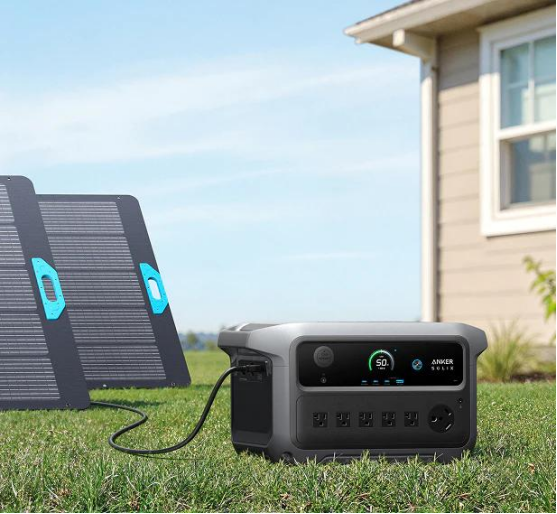
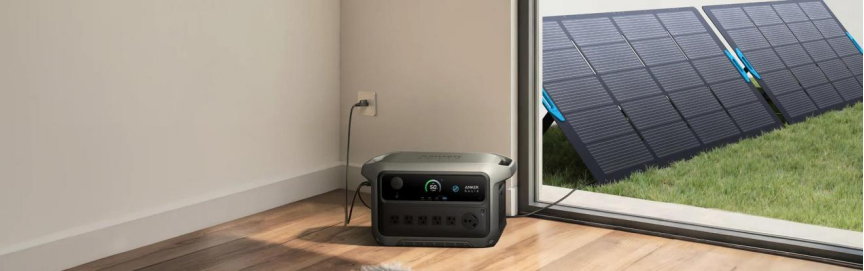
Modular systems like the Anker SOLIX offer convenience with their expandable capacities and efficient components. The Anker SOLIX C2000 Gen 2 boasts impressive features such as a 4kWh expandable capacity, which can power appliances for extended periods. It offers quick recharging with options like solar power and AC, reaching 80% in 45 minutes. Its IP67 waterproof design makes the solar panels resilient and versatile in various environments. Use this system when looking for scalability and easy installation, especially beneficial for those new to solar energy.
Practical Usage Tips, Maintenance, and Real-World Applications
Everyday Use Cases: Home Backup, Camping, and Off-Grid Living
Solar generators serve numerous applications. For home backup, a system like Anker SOLIX can provide power during outages, running essentials like fridges and lights. During camping trips, a solar generator eliminates the need for noisy, polluting gasoline generators. Simply set up your solar panel to charge during the day and enjoy silent, clean power at night. For those embracing off-grid living, a robust solar generator setup can fulfill daily energy requirements from cooking to lighting, creating sustainable independence from traditional power grids.
Performance Optimization, Charging Tips, and Energy Efficiency
To optimize your solar generator’s performance, regularly clean the solar panels to remove dust and debris which can impede efficiency. Position panels to capture maximum sunlight, adjusting angles throughout the year. When charging, aim to use solar power mostly, as it reduces reliance on grid electricity and enhances sustainability. Combine your system with energy-efficient appliances to reduce overall consumption. Monitor energy usage with a smart meter to identify potential improvements.
Maintenance, Troubleshooting, and Long-Term Reliability Tips
Regular maintenance ensures longevity for your solar generator. Inspect connections and components for any signs of wear or damage. Check battery health periodically with a multimeter, and replace any units that show signs of failure. Inverter issues may arise from overloading, so regularly check that your system is not exceeding its capacity. Keep the charge controller settings optimal for your battery type and climate. Documenting component performance can help identify issues before they become significant problems.
Conclusion
Building a DIY solar generator empowers you to harness green energy solutions for various needs, ensuring sustainability and efficiency. Understanding and selecting the right components are crucial for crafting a solution that fits your power requirements. Whether for home backup, adventure, or full off-grid living, a well-planned and maintained solar generator can transform your energy-use habits. By embracing the independence and eco-friendliness that solar energy provides, you take a significant step towards a more sustainable future.